
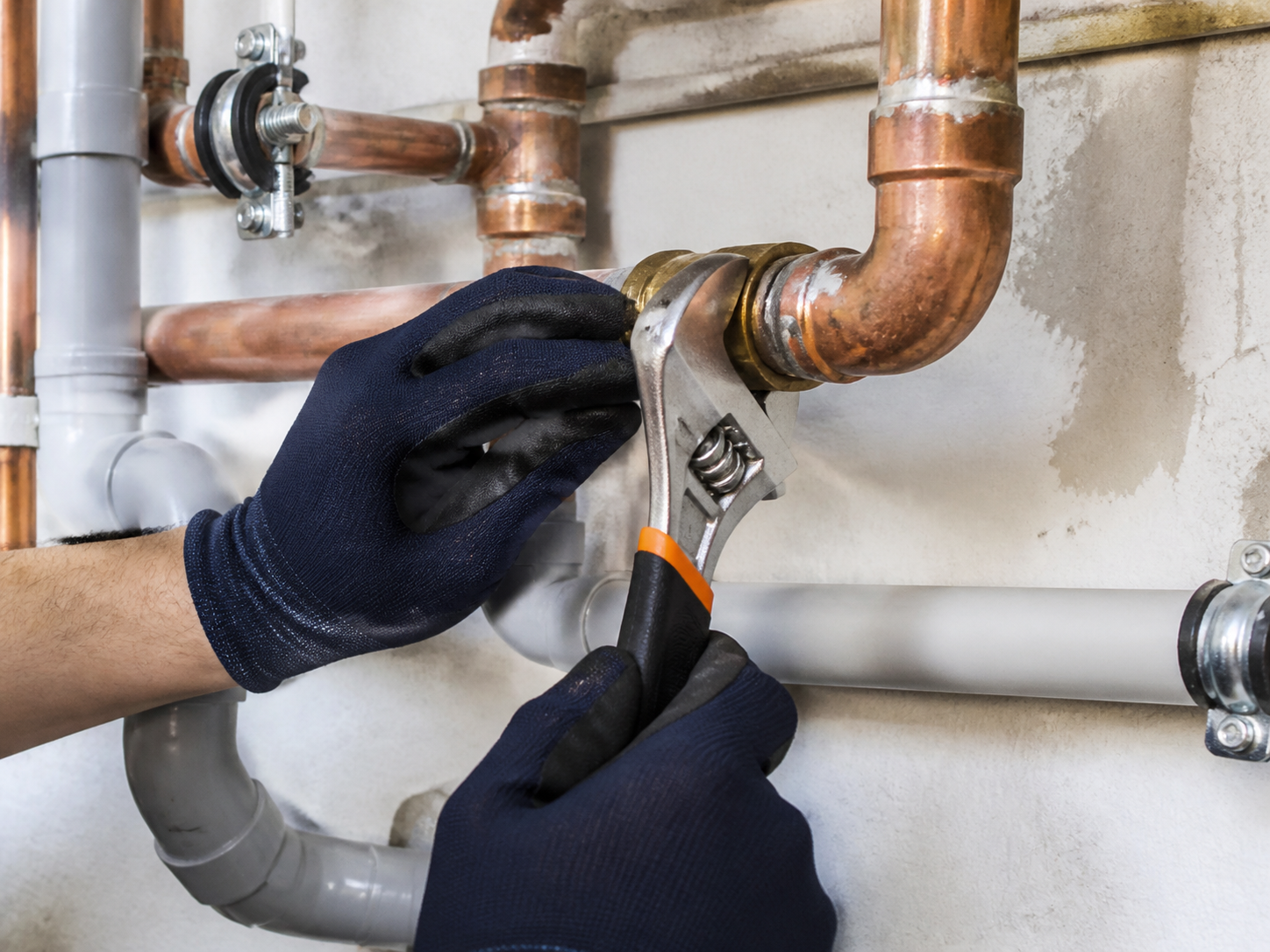
A burst pipe can release a large amount of water in a short time. Acting calmly and in the right order can help limit damage while you arrange a professional repair.
Turn off the water supply
Find the main shut-off valve and close it as soon as it is safe to do so. In many properties, the valve is near the water meter, where the main line enters the building, or inside a utility area. If the problem is isolated to one fixture and that fixture has its own working shut-off valve, you may be able to stop the flow there.
Protect people and electrical systems
Keep everyone away from standing water near electrical outlets, appliances, lights, or the distribution board. If water is close to an electrical source, do not touch the source or walk through the water. Contact the appropriate emergency or electrical professional for guidance.
Reduce pressure and contain the water
Once the supply is off, open a cold-water tap at the lowest practical point to help drain water remaining in the pipes. Use towels, buckets, or a wet vacuum where it is safe to do so. Move furniture, electronics, rugs, and other vulnerable items away from the affected area.
Call a plumber and share useful details
Explain where the leak is, whether the main supply is off, how long water may have been escaping, and whether walls, ceilings, floors, or electrical fittings are affected. Clear information helps the plumber prepare the right tools and materials.
Avoid temporary fixes that hide the problem
Tape, putty, and clamps may slow a minor leak in some circumstances, but they are not a substitute for a proper assessment. A pipe can split beyond the visible point, and surrounding fittings may also be damaged. Do not restore full water pressure until the repair has been checked.
After the repair
- Dry wet areas promptly to reduce the risk of mould and material damage.
- Check nearby cabinets, skirting, ceilings, and flooring for trapped moisture.
- Photograph damage if you may need it for maintenance or insurance records.
- Ask whether worn valves, corrosion, freezing, movement, or excess pressure contributed to the failure.
Knowing the location of your main shut-off valve before an emergency saves valuable time. Label it clearly and make sure responsible people on the property know how to use it.